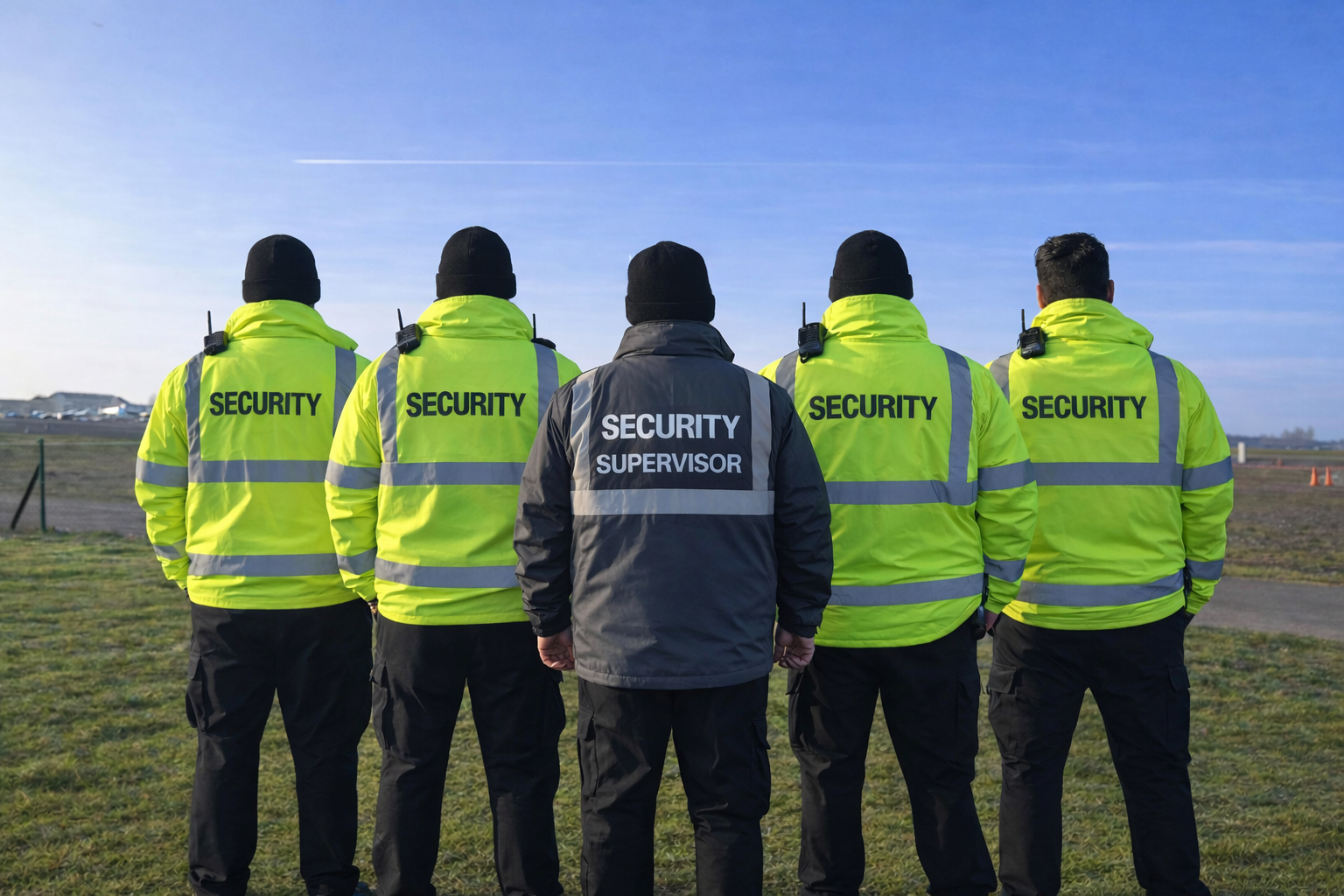

The Importance of Static Security in Modern Businesses
In today’s operating environment, security is no longer just a protective measure — it is a visible part of how a business presents itself, manages risk, and protects its assets. For many organisations, particularly in retail, commercial, and managed environments, static security plays a critical role in both safety and brand perception.
Static security officers are often the first point of contact for customers, staff, and visitors. They are the face of the site. How they look, how they communicate, and how they carry themselves directly influences first impressions, customer confidence, and overall experience. At the same time, they are responsible for protecting premises from theft, disorder, and unauthorised access. This dual role makes static security a strategic operational function, not simply a physical presence.
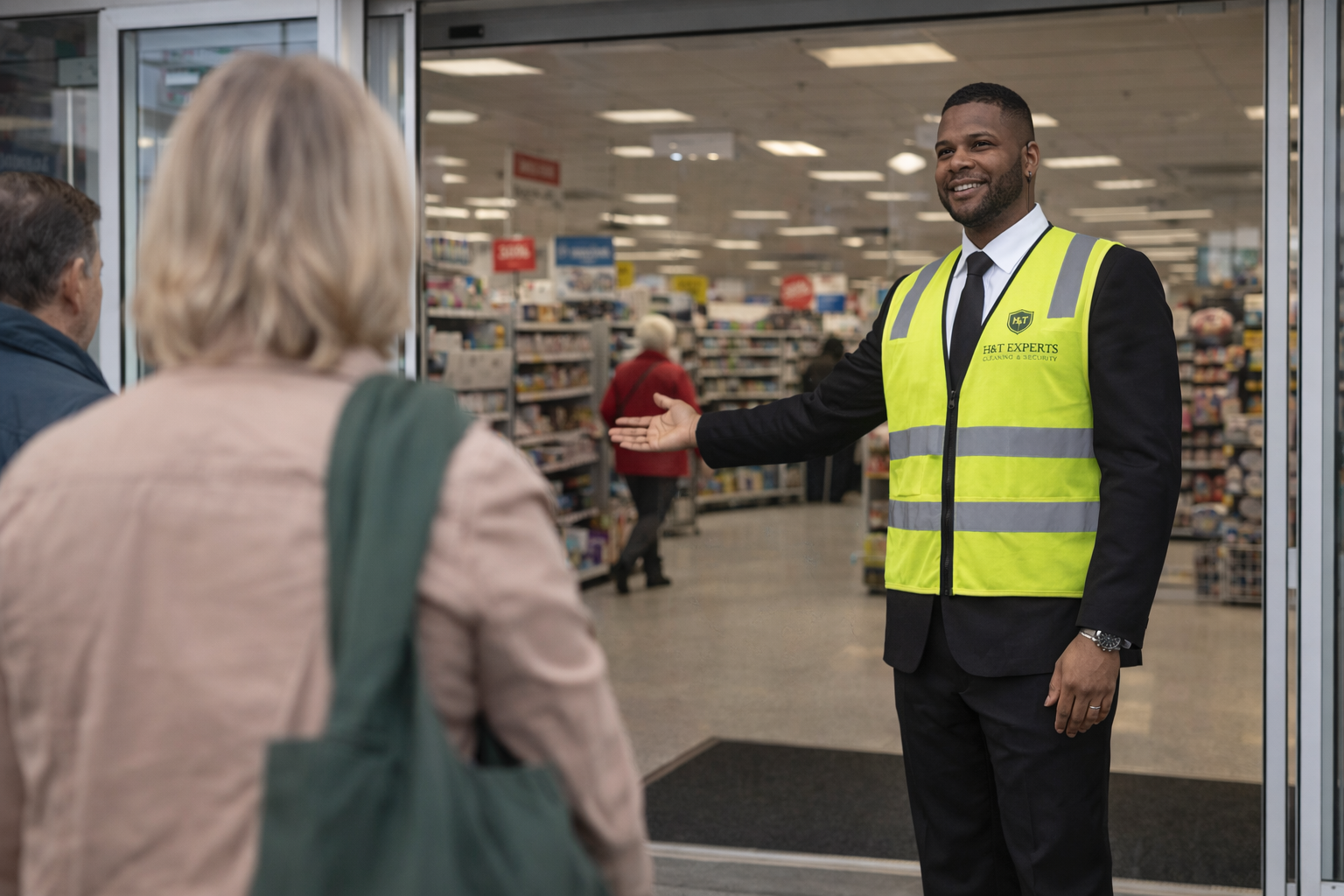
Static Security as the Front Line of the Business
Unlike remote monitoring or back-of-house security measures, static security is highly visible. Officers stationed at entrances, reception areas, and shop floors are often the first people customers interact with. A well-presented, professional officer in a clean, correctly fitted uniform sends a clear message: the site is managed, controlled, and taken seriously.
For businesses, this matters. Customers are more likely to feel safe, welcomed, and confident in environments where security is visible but approachable. Poor presentation, weak communication, or unprofessional conduct can undermine brand image just as quickly as it undermines security effectiveness.
High-quality static security therefore requires more than basic guarding. It requires officers who are well-presented, confident communicators, and able to balance customer interaction with vigilance and control.
Deterrence, Theft Prevention, and Site Control
Beyond presentation, static security remains one of the most effective deterrents against theft, anti-social behaviour, and unauthorised access. A trained, alert officer positioned correctly can prevent incidents before they occur simply through presence, observation, and early intervention.
In retail environments, static security supports loss prevention by:
- Deterring opportunistic theft
- Identifying suspicious behaviour early
- Supporting store teams during incidents
- Managing exclusions and refusals of entry where required
In commercial and managed sites, static security provides control over access points, monitors site activity, and ensures that policies and procedures are followed consistently.
The value here is not just in responding to incidents, but in reducing their frequency altogether.
Professional Conduct and Communication
Modern static security officers must be able to communicate effectively with a wide range of people — customers, staff, contractors, and management. This includes de-escalation, clear instruction, and calm handling of challenging situations.
For senior management, this is critical. Security officers often act as an extension of management on site, reinforcing standards, supporting staff, and dealing with issues before they escalate into formal complaints or operational disruptions.
A professional, approachable officer who understands their role can protect both people and reputation.
Leadership, Oversight, and Consistent Standards
Effective static security does not happen by accident. It relies on strong leadership, clear standards, and ongoing oversight. Officers must be deployed correctly, briefed properly, and supported by management that understands the operational realities of security delivery.
From a senior management perspective, this means choosing providers who prioritise:
- Presentation and professionalism
- Training and clear role expectations
- Consistent supervision and accountability
- Alignment with the client’s brand and operational needs
Static security should never feel disconnected from the business it protects. It should integrate seamlessly into day-to-day operations.
A Strategic Investment, Not a Tick-Box Exercise
For modern businesses, static security is not simply about having someone on the door. It is about protecting assets, supporting staff, influencing customer experience, and maintaining control in an increasingly complex operating environment.
When delivered properly, static security adds value far beyond basic guarding. It supports safer environments, stronger brand perception, and more confident day-to-day operations — outcomes that matter at senior management level.